
How to Stop One Elderly Health Condition from Leading to the Next

This is a multimedia article feature.
Scroll down to read the article, select links to listen to the podcast, or watch the video. The article has links in “pink type” to related topics about caregiving, health, well-being, and self-care.
Click the round yellow play button below to listen to this episode. If you want to download the episode, click the down arrow button. You can also use the scroll bar below the photo on the right to check out prior episodes and check out the show transcripts on Pamela’s website featuring additional articles and links to educational tips for caregivers.
Do you have a care or caregiving question? Share your question with Pamela by completing the caregiver survey on her Contact Me page, schedule a 1:1 consultation, or ask about eldercare mediation services.
You can also listen to over 250 episodes of The Caring Generation podcast on Apple or Spotify podcasts.
Learn How Elderly Health Conditions Spiral Out of Control
Elderly health conditions can spiral out of control if no one closely monitors changes in health or physical activity. Caregiving expert Pamela Wilson shares two examples of how elderly health problems can cause a domino effect of physical and mental decline, requiring care from others and potentially demanding more of a family caregiver’s time. These examples can be applied to a variety of aging health conditions.
- Being a family caregiver offers an opportunity to learn from aging parents’ experiences, so caregivers can adopt the good stuff and eliminate the bad.
- Older adults can also learn why it’s important to pay attention to the little things so that they don’t become major health issues that can result in physical disability and a need for help.
Research confirms that 50% of persons over age 50 have 4 to 5 chronic-related health conditions – heart disease, breathing problems like COPD or asthma, high blood sugar, migraine headaches, arthritis, anxiety, depression, and other conditions.
If you want to be in the 50% without these conditions, it’s important to learn how one health condition can lead to the next and work to manage each condition. Let’s look at a common condition experienced by older adults.
 How Incontinence Can Lead to Other Layered Health Conditions
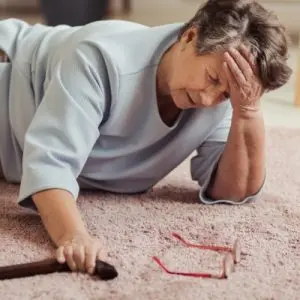
Persons experiencing bladder or bowel incontinence may find themselves rushing to the bathroom or, if in public, rushing to find one. Incontinence and other health conditions can result in unexpected falls.
For older persons at home, tripping over a rug or bumping into a piece of furniture on the way to the bathroom can result in a fall to the floor.
Sometimes the fall isn’t serious. Other times it can result in a broken wrist, arm, fractured pelvis, or a hip that has its own set of consequences
Fall prevention should be a priority for aging adults.
Dehydration
Wilson’s clients who experienced urinary incontinence stated that they didn’t want to drink a lot of water because then they would have to use the bathroom. This is an example of how incontinence causes multiple conditions, the first being dehydration.
Dehydration can lead to headaches, feeling dizzy, constipation, low blood pressure, a rapid heartbeat, electrolyte imbalances, brain fog, or mental confusion.
Urinary, Bladder and Kidney Infections
 Not flushing bacteria or medicines out of the body can negatively affect the kidneys and bladder and lead to an infection.
Drinking enough water to flush medicines, vitamins, or supplements is also important to prevent them from building up in the body.
How do you know if you’re drinking enough water? If your urine is bright yellow and not clear – you’re probably dehydrated.
Separately, if you take many medications, vitamins, or supplements, your urine can also appear yellow.
Unless you are medically fluid-restricted, it’s important to drink enough water to avoid dehydration and keep your urine clear.
Delirium
Being dehydrated or having an infection can lead to delirium, a sudden change in brain and physical function. Delirium is a very serious condition, especially for the elderly diagnosed with dementia or Alzheimer’s disease.
In the elderly, delirium requires immediate hospitalization to investigate and treat the cause. Delirium can also happen when elderly persons are hospitalized, receive anesthesia, and undergo surgery.
It can take days or weeks to resolve and sometimes results in a permanent change to an older adult’s daily abilities. Managing delirium and dementia can be challenging.
Prescription Medicines
The prescription of medicines to treat urinary or urge incontinence, or any condition, can have unintended side effects.
Some incontinence medications have side effects like dizziness, blurred vision, falls, mental confusion, and impaired thinking. These medications can be risky for the elderly with dementia or Alzheimer’s.
According to Wilson, “While many of my clients wanted to try medicine to treat incontinence, many of them eventually ended use due to side effects of falling, mental confusion, and declines in physical functioning.”
Managing medications can feel like a full-time job, but it’s an important job.
 Closely Monitor Medications
So while medications can be extremely beneficial for many elderly health conditions, it’s important to closely monitor any changes or side effects when starting new medications and report them to the prescribing physician.
Monitoring aging health can be like putting a puzzle together and then taking it apart.
For example, one prescribed medicine has side effects. A physician prescribes a second medication to treat the side effects.
The second medicine has more side effects, and a third medicine is prescribed, and so on.
Soon, an older adult may be taking 5 or more medicines to treat one condition and the side effects of each medicine.
TIP: If you or an elderly parent is diagnosed with incontinence, be aware of the layering effects of related issues and how they can negatively impact your overall health.
Aging Parent Health Issues: Layered Problems and Family Caregiver Solutions | Caregiving Expert Tips
Click the red arrow button in the picture below to watch the video.
Watch Over 1,000 Videos About Caregiving, Aging, and Health on Pamela’s YouTube Channel
Falls and Fractures
A trip or a fall resulting from incontinence and the layered conditions of dehydration, urinary, bladder or kidney infections, delirium, and prescription drug side effects can result in permanent physical disability for an older adult.
Let’s look at a co-occurring condition unrelated to incontinence that can impact the severity of a fall.
Osteoporosis is a health condition in which bones thin, weaken, and are more likely to fracture during a fall or in daily activities. To imagine what osteoporosis might look like, think of Swiss cheese with holes instead of a solid slice of cheese.
For an individual with osteoporosis and another condition that might lead to a fall, like incontinence, the result of the fall and subsequent fracture can be even more serious. Especially if a parent with osteoporosis fractures a hip.
Osteoporosis Statistics and Research
 According to research by Naso et. al., osteoporosis is underdiagnosed in the United States, with 69.12% of individuals with osteoporosis not receiving a diagnosis when osteoporosis was present.
The two groups with the highest proportion of undiagnosed osteoporosis were men at 86.88% and individuals 50-59 years of age at 84.77%.
The Benefits of Bone Density and DEXA Scans
TIP: If you’re curious about bone density, ask your physician to order a bone density scan or find a locally operated DEXA imaging location and pay for your own scan without a doctor’s order.
Most privately owned DEXA imaging centers offer body composition and fitness tests, such as VO2 Max and RMR (Resting Metabolic Rate). You receive your results through an app.
The goal of getting a bone density or DEXA scan is to confirm you have strong bone density instead of a diagnosis of early bone loss, osteopenia, or advanced bone loss, osteoporosis.
Lifestyle modifications can be researched or recommended by a physician to support bone strength. One example is weight-bearing exercise.
There’s No Substitute for Exercise if You Want to Remain Active in Later Years
TIP: Increase your cardiovascular strength, physical endurance, and muscle strength. Many Medicare Supplement and Medicare Advantage plans offer access to fitness centers through programs such as SilverSneakers or Active & Fit.
If you’re still working, check out your health insurance; it may offer a fitness center discount.
And regardless of your health, check with your physician to make sure that exercise does not pose a risk to any current health conditions or physical disabilities.
Participating in cardiovascular and weight-bearing exercises to build muscle and improve balance is beneficial at any age and can help prevent falls, which have serious consequences for older persons.
The Risks of Falls and Fractures for Older Adults
Serious consequences of falls and fractures for older adults include hospitalization, surgery, and a nursing home stay for rehabilitation and physical therapy.
Recovering from a fracture takes work. Older adults who fall often limit their activity because they’re afraid to fall again.
So, the result is loss of muscle mass and physical weakness. Older adults who sit all day in a wheelchair are more likely to get pressure sores, which can turn into very serious, life-threatening conditions.
Cardiovascular health declines. Physical exhaustion becomes the norm.
And then, the fall, fracture, hospitalization, nursing home stay, physical therapy, not fully recovering. This spiral of elderly health conditions and declines can be depressing.
So older adults do less. They become more isolated.
Snowballing Health Conditions
 These two examples show how one health condition can snowball into multiple layers of other health conditions when attention isn’t paid to health.
The examples of layering can be applied to any health condition with some research and discussion with a doctor.
Physical weakness, frailty, and falls contribute to elderly persons needing care from adult children and other family members.
Snowballing health conditions can be prevented by taking action and learning more about their layered interactions.
Find the Motivation to Work at Being Healthy
But what it really takes is a “reason” or motivation to be healthy.
How do you see your life in retirement? Do you want to be able to do anything you want, when you want to do it?
Or will you have layered elderly health conditions that prevent you from living life to the fullest?
Is your plan to live in your home, assisted living, or a nursing home?
Health and lifestyle are choices everyone will face.
Decisions made today and health practices today exercising, eating healthy, and being more attentive to health will impact future lives.
Don’t Wait, Take Action Today to Stop Elderly Health Conditions from Affecting Your Life
 TIP: Rather than thinking, “Oh, if only someone told me that 20 or 30 years ago,” take this information and incorporate it into your daily health practices.
- Encourage aging parents and everyone in your family to be more attentive to their health.
- Model healthy behaviors for your children.
- Schedule time in your calendar for some type of daily physical activity – your body and your mind will love you for it.
- Become a lifelong learner about health and well-being so you can live a long, happy, and healthy life.
If You’re Looking for 1:1 Caregiving or Eldercare Advice, Schedule a Virtual or Telephone Consultation with Pamela D Wilson.
©2026 Pamela D Wilson. All Rights Reserved.