
Human Resource Management: Juggling Work and Caregiving
Supporting employees who are working caregivers with juggling work and caregiving for elderly parents is a human resource management caregiving challenge. Achieving a work-life balance under normal life circumstances can be demanding. Offering caregiver human resource programs is beneficial for working caregivers.
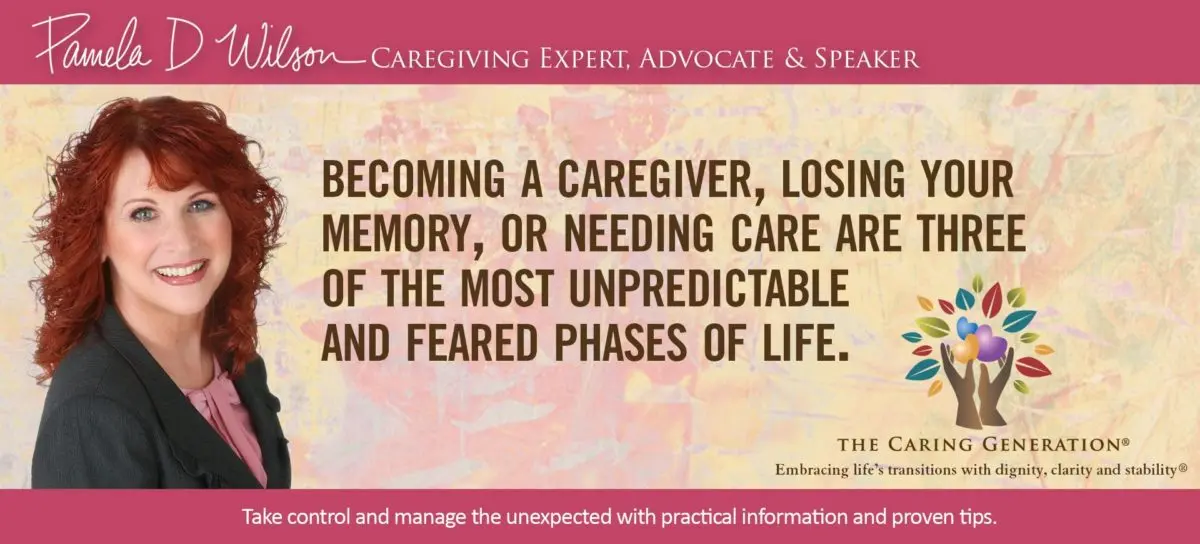
Pamela D Wilson offers online education and speaking events to support groups and organizations. These programs include on-site or online keynote speeches or discussions. She also offers telephone consultations about eldercare topics. Complete Pamela’s contact form to request more information.
Workplace Eldercare Challenges
Learn what life is like for family caregivers in the workplace. Many don’t recognize themselves by the name “caregiver.” Most are unprepared for the challenges ahead. A well-publicized report by the Harvard Business Journal called The Caring CompanyThe Caring Company offers many statistics about working caregivers.
This video addresses one of the more common worries of family caregivers who fear being financially responsible for the cost of care for aging loved ones.
Financial planning companies like Fidelity, are well aware of the struggles caregivers face to support their families and the care of loved ones. A Fidelity Report from 2021 reinforces the impact of caregiving on careers, and financial and economic stability.
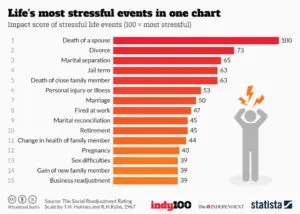
Becoming a caregiver is one of the most stressful life events. Caregiving is a combination of multiple stressful life events that include caring for loved ones until the eventual death of an elderly parent or spouse. Making a commitment to human resource management caregiving programs empowers employees to take control of caregiver responsibilities that may feel overwhelming.
Caregiving Affects Family Relationships and Health
Marital stress, divorce, separation, or reconciliation are other stressful life events. Being a caregiver can significantly stress marital relationships when one or both spouses care for an elderly parent.
Caring for elderly parents results in family concerns about money to pay for care costs. When children are present, time devoted to raising children is sandwiched between caring for children and elderly parents.
Watching the changes in the health of family members results in physical and emotional Illness for working caregivers. Add to this worry the thought of losing a job because of time committed to caregiving responsibilities.
Consideration may also be given to reducing work schedules that negatively impact household income. Human resource management caregiving programs can reduce stressful life events that affect the ability of working caregivers to be mentally present at work.
A study by the University of Irvine, The Cost of Interrupted Work: More Speed and Stress, confirms the effect of 20 minutes of interrupted workplace performance on personal stress, frustrations, time, and effort. Even though this study does not specifically relate to employee caregivers, it describes the concept of disruption cost in the workplace.
While this may seem insignificant, many working caregivers are “interrupted” throughout their day by telephone calls from aging parents or calls they need to make to coordinate medical care. The impact of mental distractions is equally as significant as physical interruptions when caregivers think or worry about family care issues and are unable to focus on their jobs.
Juggling Work and Caregiving
Juggling work and caregiving is a commitment by caregivers that pushes all the stress buttons. Caregivers feel responsible but dislike how the role of caregiving changes a life. Time pressures result in caregivers limiting self-care activities that help reduce stress. Pamela’s no-charge caregiver human resource program includes unique programs that address self-care, health, well-being, and caregiver support programs.
Worries about a supervisor being aware that an employee is caring for an elderly parent is common. Employees worry about coming in late to work, leaving early, or having to take time off work to care for elderly parents and family members. Caregivers want to work and be proud of their efforts.
The emotional tug of war to care for elderly parents strains the ability of caregivers to fully commit to working. Concerns about being viewed as less reliable and committed are common working caregiver concerns. Other workplace concerns include the effect of being a caregiver on future raises or promotions.
Thirty percent of caregivers quit their jobs because of concerns about being unable to complete work projects. Half of these caregivers are age 50 or older. Human resource management caregiving programs can decrease employee resignations by acknowledging and providing support to ease stressful caregiving situations.
The Personal and Workplace Costs of Caregiving
The effect on future earnings, retirement savings, and the ability of the caregiver to re-enter the workforce results in anxiety. Most caregivers cannot return to work at the same level of pay or position.
Women who spend time out of the workforce raising children and caring for elderly parents are financially disadvantaged. Working women caregivers express concerns about not saving or earning enough money, according to a Merrill Lynch report. Financial discussions have mainly targeted men, leaving women desiring more information.
Retaining High-Value Employees Result From Caregiver Human Resource Programs
The time demands of being a caregiver affect company productivity. Absenteeism, presenteeism, mistakes in the workplace, loss of knowledge when a long-time employee leaves, and the replacement cost of employees are some of the costs that result from stressed and distracted working caregivers.
Caregivers burning the candle at both ends are less productive. Co-workers take on work that is behind schedule or incomplete. When teams and employee relationships are strained the workplace becomes divided. Judgment by non-caregivers can be damaging and build resentment that may be difficult to resolve.
Caregiver Human Resource Programs Are Beneficial
Talking about caregiving responsibilities may be uncomfortable for a supervisor with no life experience as a caregiver. The workplace openly talks about having children and the responsibilities of childcare. Caregiver human resource programs that are relatable to the daily experience of caregivers can improve workplace caregiver presenteeism.
Unique solutions that are accessible and offer practical information with step-by-step processes are valuable and offered by Pamela D. Wilson. These solutions include specially developed employee education programs, dedicated webinars, exclusive podcasts, copies of Pamela’s book The Caregiving Trap: Solutions for Life’s Unexpected Changes, and more.
Caregiving Becomes a Second Full-Time Job
As caregiving responsibilities increase, caregiving becomes a second full-time job for many working caregivers. Working caregivers spend 20-40 hours a week, in addition to a full-time job, helping elderly parents with various tasks. Caregiver support helps elderly parents stay home and avoid more expensive care like moving to a nursing home.
Caregivers perform medical and nursing tasks as the care needs of elderly parents advance. Fear exists in making mistakes. The complexity of tasks increases in managing incontinence, preparing special diets, and using blood sugar monitors. Pamela D. Wilson offers human resource management caregiving programs that address these issues and others that affect the ability of elderly parents to remain at home.
Linking Healthcare Systems to Community-Based Organization Support
Beyond the concept of corporations supporting working caregivers is the idea of community support linked to health care and social needs. Throughout the United States, efforts by organizations to link electronic health records, with hospitals and health systems so that physicians can refer their patients to community-based organizations are happening in more progressive states like California, New York, North Carolina, and others.
The use of these programs, often referred to by the Centers for Medicare and Medicaid (CMS) as closed-loop referral systems, whole-person care, social determinants of health, health-related social needs, or care coordination programs, can be extremely beneficial when also used by corporations.
Pamela supports these efforts in her work with health and social organizations working toward making health and social data accessible.
A 2017 research project led by Dr. Monica Anuarbe of Connecticut College established partnerships with community organizations to support Hispanic caregivers. Efforts like these serve as an early indicator of the importance of community programs for family caregivers.
The Emotional Side of Caregiving
Caregiver stress and exhaustion affect the quality of care and attention provided to elderly parents. In high-demand, high-need caregiving situations, unintentional neglect frequently happens. The stress of being a caregiver results in limited insight into actions in the workplace and behaviors in family care situations.
The emotional side of caregiving may also harm family relationships. Stress in family relationships transfers back to stress and distractions in the workplace. Managing when family members have different beliefs about care for elderly parents or when families don’t get along adds more stress.
Becoming a caregiver is unexpected. Many caregivers are inexperienced. Caregivers lack the skills it takes to manage care situations for elderly parents because being a caregiver is unfamiliar territory.
Unique Programs for Supporting Caregivers in the Workplace are Here
Pamela D. Wilson has experienced the personal loss of both parents, a brother, and a sister. This experience led to a 20-year career as a caregiver advocate and expert. Pamela’s expertise comes from the fiduciary responsibilities of acting as a court-appointed guardian, medical and financial power of attorney, the personal representative of the estate, trustee, and care manager.
She translates complex information into simple steps and processes that provide straightforward support for caregivers on this website and through ongoing education efforts.

Click Here to Schedule
Check Out The Caring Generation Podcasts for More Answers to Questions Caregivers Ask
Looking for a Roadmap to Care for Aging Parents? Check out Pamela’s Online Course