Conservatorship Guardianship Expert Witness Fiduciary Litigation
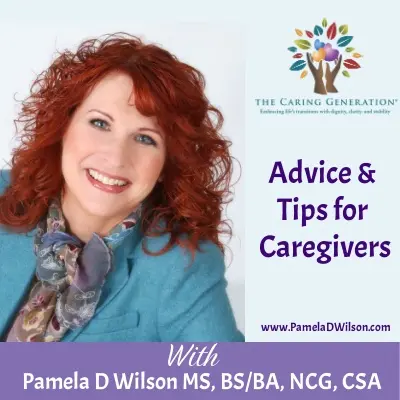
Pamela D. Wilson, MS, BS/BA, NCG, CSA, is a conservatorship and guardianship expert witness in cases involving breaches of fiduciary duty arising from misconduct, negligence, conflicts of interest, or mismanagement of assets. Wilson reviews documents, writes reports, and testifies in court for plaintiffs and defendants.
She also serves in cases where questions arise as to whether a family caregiver or a professional, acting as the medical or financial power of attorney agent, should be appointed as a guardian or conservator of the person or estate, or removed from their current role as agent.
Contact Pamela to share your case inquiry by completing the form in the middle of this page
Examples of Fiduciary Misconduct
- Family or professional guardians or conservators who fail to comply with standards of care and state statutory requirements for the least restrictive means, use of substituted judgment, supportive services to manage property and financial affairs, and meeting requirements for physical health, safety, and self-care.
- Fiduciaries who act impulsively or excessively to isolate individuals and prevent them from seeing family members and friends, without reasonable justification.
- Fiduciaries whose actions result in neglect of physical health, safety, and self-care, regardless of whether an individual lives at home or in a care community. Fiduciary duty includes having extensive knowledge of health conditions to supervise care and make appropriate medical decisions.
- There are cases where hospitals or healthcare organizations initiate guardianship or conservatorship proceedings without proper notice to the family.
- Others in which family members pursue guardianship or conservatorship to protect their personal or financial interests or to withhold health information from other family members who may object to their actions.
Risks of Conflict of Interest and Lack of Fiduciary Monitoring
Professional guardians and conservators, particularly in states that permit a single professional or entity to serve in both roles, may face ongoing conflicts of interest. Afterall, who is monitoring healthcare decisions and associated spending to determine if it is sufficient to meet the needs of the ward?
County probate offices may miss steps in the filing process, such as failing to ensure that a court visitor report is completed and submitted or that interested parties are identified and receive hearing notices. After guardianship or conservatorship is ordered, states can lack court oversight and sufficient personnel to review and monitor annual reports or care plans.
Being an ethical and effective conservator or guardian is a challenging task. It takes a special person with advanced skills and experience, willing to trust but verify facts, consider both sides of the situation, and act with kindness and empathy toward all interested parties.
Contact Pamela to share your case inquiry by completing the form at the bottom of this page.
Pamela D Wilson’s Expertise as a Professional Fiduciary
While some experts’ experience derives from educational or scholarly work, Ms. Wilson’s experience as an expert witness in caregiving and related matters is grounded in practical application. Her legal and fiduciary appointments include Guardianship (58), Conservatorship (2), Medical POA (28), Financial POA (21), Trustee (4), Care Management and Assessments (more than 125), and Personal Representative of the Estate (9). These appointments are Colorado-based.
For context, Colorado does not permit a single professional to serve as both guardian and conservator due to concerns about potential overreach and conflicts of interest in managing health and financial matters. As a result, Ms. Wilson built her expertise as a guardian and accepted appointments as a financial power of attorney and trustee.
The Value of a Conservatorship Guardianship Expert
A conservatorship guardianship expert witness can be invaluable in these and other complex situations. Additionally, Ms. Wilson is an expert in non-medical in-home care and care management. Her experience in these areas includes owning a non-medical in-home care agency and a care management agency serving older adults and individuals with disabilities.
- While people on both sides of court proceedings profess “love” for conservatees or wards, some law firms representing guardians and conservators implement aggressive strategies that waste estate funds and do not benefit the ward or conservatee.
- Self-interest in money or an inheritance can harm elderly persons who are the subject of a court petition, whether between an adult child who cares for a parent or a child more interested in controlling the estate.
- Fear of losing control over money and healthcare decisions contributes to family disputes and litigation.
- Family guardians or conservators who do not take their responsibilities seriously can neglect the needs of wards and conservatees.
- Battles over changes in power of attorney agents and trustees while a person has early dementia and has decision-making capacity can turn into lengthy court battles between family members about whether a guardian, conservator, or trustee should be appointed.
- States that permit professionals to serve as both guardians and conservators may experience increased litigation due to a lack of transparency and inadequate reporting requirements, which allow professionals to be compensated for both roles without accountability or oversight. The reasoning behind allowing professionals to serve in both roles is often “efficiency.” However, managing finances, medical expertise, and high emotional intelligence for working with families in conflict are distinct skills.
Ultimately, a conservatee or ward helped or harmed by intense litigation deserves dignity, care, consideration, and kindness. A willingness to resolve differences and maintain loving family relationships can be a solution and a path forward.
Conservatorship Guardianship Expert
As a member of the National Guardianship Association since 2007, Wilson no longer accepts appointments as a guardian or conservator but acts in the role of a conservator and guardianship expert witness and advisor about fiduciary actions, including power of attorney agents, to:
- Navigate supportive or dysfunctional family conservatorship and guardianship relationships to focus on the needs of the conservatee or ward.
- Encourage collaborative relationships between conservators, guardians, attorneys, families, and friends to minimize unproductive and expensive court proceedings.
- Evaluate actions and standards of care by guardians and conservators. Deliver reports and testify in litigation proceedings.
- Educate and advise family conservators and guardians about decision-making, reasonable standards of care, and reporting requirements.
Read or download Ms. Wilson’s C.V.HERE
Click HERE to read a testimonial about Ms. Wilson’s experience.
Complete this form to contact Pamela today to learn more about conservatorship guardianship expert witness services for plaintiffs or defendants. Then read below for more examples of experiences specific to conservatorship and guardianship proceedings and litigation.
Expert Witness Information Request Form
Conservatorship and Guardianship
Each state defines conservatorship and guardianship differently, including who can serve in these roles. The differences in terminology specific to conservator and guardian relate to the person’s care and the person’s money or the estate.
Depending on the state, a family member may be able to serve as a guardian and a conservator. Some states separate the roles to provide a system of checks and balances.
Both roles have serious responsibilities and reporting requirements. Any individual filling these roles must have a thorough understanding of ethical standards, decision-making, reporting requirements, and the duty to build and maintain supportive relationships.
The basis of conservatorship or guardianship often results from an unexpected accident or the progression of a health diagnosis related to cognitive decline. However, many complicating factors can exist before and during individual or family interaction with the court system.
Complications of Conservatorship and Guardianship Litigation
Emotions can contribute to lengthy and expensive court litigation if early intervention does not bring both sides together to focus on the needs of the person who needs a conservator or guardian.
Unfortunately, some court systems, attorneys, conservators, guardians, friends, and family members seek to divide instead of collaborate. Family members unfamiliar with the legal system can be taken advantage of by attorneys and court systems.
These actions can result in damaged family relationships that are difficult, if not impossible, to repair. The rights of the person under conservatorship or guardianship can be ignored.
Case Examples and Situations
Challenging situations include:
- Family members intimidated by the legal system and its terminology may not realize the court will appoint a professional conservator or guardian if they do not become involved.
- Similarly, family members can feel threatened by hospital social workers, adult protective service staff, the police, nursing home, home health or care community staff, family members, or attorneys who accuse them of questionable acts.
- Mandatory elder abuse or neglect reporters submit situations for investigation by adult protective services or the police. Bias toward criminal accusations can occur before investigations to confirm the facts.
- Court petitions for conservatorship or guardianship can misrepresent facts to instill doubt and intimidate family members who may disagree.
- Family members accused of criminal acts or suspected of abuse may be financially unable to hire an attorney to defend themselves, so they appear guilty.
- Attorneys use accusatory and inflammatory words in petitions that inflame rather than support all parties to work together.
- Temporary or permanent conservators or guardians can become biased when they do not investigate claims and unintentionally make decisions that harm the protected person.
- Persons of color and those for whose English is a second language may struggle with the concept of conservator and guardianship and resist involvement with attorneys or the court system, which results in harm to a family member.
- Attorneys file petitions on behalf of their clients, purposely not providing notice to family members or the current medical or financial power of attorney, hoping that the court grants conservatorship or guardianship before anyone objects.
As you can see, conservatorship and guardianship can present many unexpected challenges for individuals and families. In the best situations, loving family members take the right actions to support aging parents and other family members.
In other situations, court systems can promote the actions of persons with the financial means to hire attorneys versus others who might be the better candidate for conservatorship or guardianship but lack the financial means or knowledge to come forth.
Being a Conservator or Guardian Means Doing the Right Thing
Family members who act as conservators or guardians can be questioned when they make decisions contrary to the previously stated wishes of an aging parent or loved one. This can happen when the conservator or guardian lacks time, is ill-informed, or makes a rushed decision.
Much like caregivers, conservators, and guardians become burned out and exhausted from the high responsibility associated with this role. Conservatorship and guardianship are for life.
If you are a family member, be certain that you know what’s involved before accepting this responsibility. While love may carry you a long way, many difficult decisions and long days can be ahead. Conservatorship and guardianship roles are not for everyone.
Guardianship Standards | Expert Witness Shares Family Concerns and Why Families Need Litigators
Guardianship standards differ in each state. Families have concerns about the lack of monitoring of guardianship standards, resulting in the neglect of elderly parents or loved ones. Learn why family members unfamiliar with the legal and court system feel disadvantaged and why they need excellent litigtion support.
Click the red arrow in the picture below to watch this video.
For more videos about guardianship, caregiving, and family discussions about care, visit Pamela’s YouTube Channel.
If you are curious about standards of care for conservators and guardians read more about the National Guardianship Association Standards of Care.
©2024 Pamela D Wilson All Rights Reserved.
Media and Press for Pamela

Pamela D Wilson – Speaker
Check Out Episodes of The Caring Generation Podcast
The Caregiving Trap: Solutions for Life’s Unexpected Changes